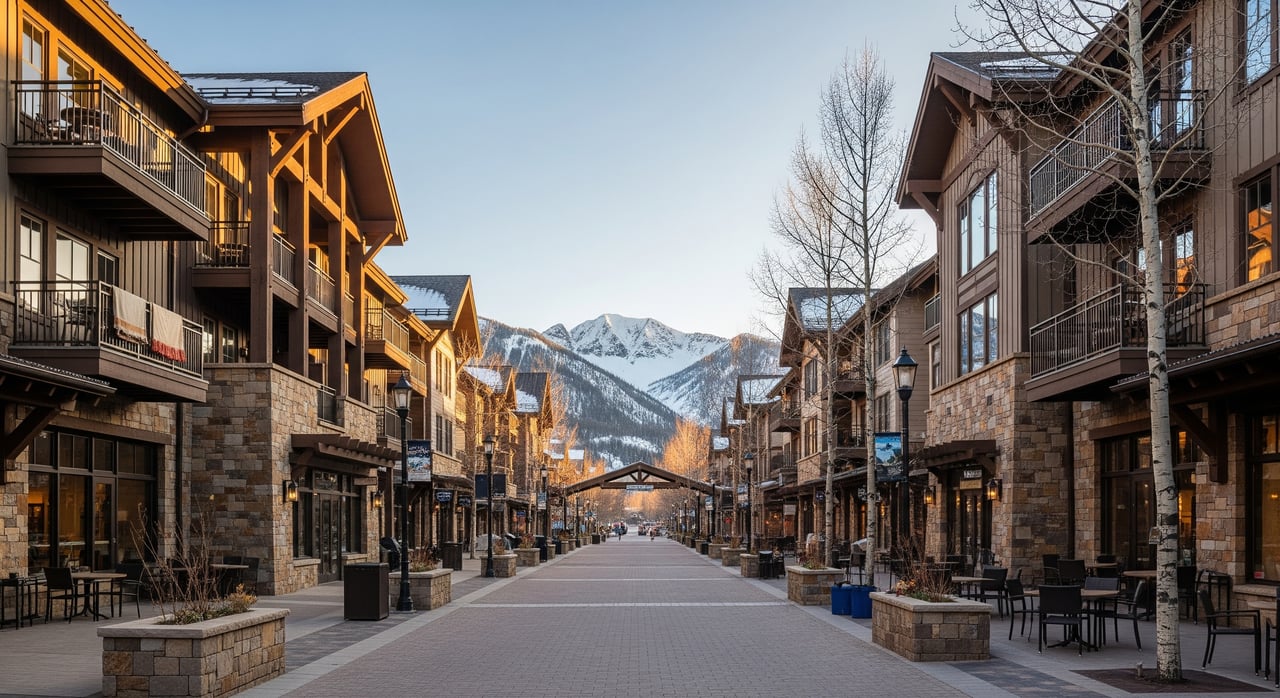
What if you could live in the heart of Steamboat Springs and handle most of your day without getting behind the wheel? Many buyers wonder if downtown offers that kind of freedom. You want easy access to errands, dining, and recreation, plus a plan for winter and the busy ski season. In this guide, you’ll learn what car-free living looks like downtown, what to verify before you buy, and how to plan for those moments when you still need wheels. Let’s dive in.
What car-free looks like downtown
Downtown Steamboat has a compact commercial core with shops, restaurants, and local services clustered along a central corridor. That layout supports a walk-first lifestyle, especially if your home sits within a few blocks of the core. Walking times vary by block and season, and winter conditions can slow your pace.
Everyday trips feel simpler when your essentials are close. You can walk for coffee, grab dinner, or step into a local service provider without driving. The key is choosing a property with the right proximity and building features for how you live.
Transit and shuttles
Public transit serves downtown with routes and schedules that can shift seasonally. Before you commit to a car-free plan, review current route maps, stop locations near your property, and frequency during peak and off-peak periods. Confirm fares and late-evening options if you plan to work or go out after dark.
Ski-season shuttles are an important piece of the puzzle for many residents. Verify how to reach Steamboat Ski Resort from downtown during the season, including any reservations, stop locations, and timing during busy days. Expect changes during events or storms and plan extra time.
Airport and regional connections are available through seasonal or private shuttle services. Check current offerings to Yampa Valley Regional Airport, including pick-up points, schedules, and reservation needs. Build in a buffer during peak travel windows.
Bikes, e-bikes, and trails
Downtown riding works best when you match your routes to your comfort level. Look for signed bike routes, bike parking, and streets with calmer traffic. The Yampa River path and other multi-use trails help connect downtown to neighborhoods and recreation, which can be useful for errands or commuting by bike.
If you prefer an e-bike, confirm availability with local shops and property rules for charging and storage. Check building bike rooms or secure racks if you plan to rely on two wheels for most trips. In winter, watch for snow and ice on shoulders and trail segments.
Everyday needs on foot
A successful car-free routine depends on your personal map of essentials. Before you buy, walk from the property to:
- Grocery or specialty market
- Pharmacy and nearby clinic or urgent care
- Bank or ATM
- Post office and package services
- Childcare or school bus stops, if relevant
- Parks, coffee, and quick dining
Time these walks in both good weather and slick conditions. Lighting, crosswalks, and sidewalk clearing practices matter as much as distance.
Healthcare and emergencies
Living car-free works best when you know exactly how you will reach care. Identify nearby clinics, urgent care options, and hospital facilities, then confirm hours and routes. For emergencies and after-hours needs, plan a backup for transportation, such as a taxi, ride-hailing, neighbor, or a private shuttle.
If you expect frequent appointments, consider proximity to transit stops that serve your providers. Confirm winter reliability and travel times for those routes.
Seasonal realities to plan for
Winter changes everything in mountain towns. Snow and ice affect sidewalks, curb cuts, and bike routes, and clearing can vary by block. Build footwear, time, and flexibility into your routine.
During peak ski season, crowds can make walking slower and increase demand for shuttles. That extra service can help you go car-free, but you may need to wait longer or plan earlier departures. In the off-season, some services scale down, so verify schedules for shoulder months.
Housing and building features that help
Downtown property types
You will find options like condos, historic cottages, mixed-use buildings, and multifamily homes in and around downtown. Condos often appeal to car-free buyers because of their central locations and building amenities. Focus on features that simplify daily life in winter and during busy seasons.
Parking and HOA rules
Even if you do not plan to own a car, parking rules still matter. Ask about assigned spaces, guest parking limits, and any street-permit requirements. Review HOA documents for vehicle storage rules, snow removal practices, and policies around loading zones for rides, deliveries, or movers.
Storage for bikes and gear
Ski, bike, and outdoor gear can take up space, especially when you are not using a garage. Look for in-unit closets, dedicated ski lockers, and secure bike rooms. Confirm whether storage is included or requires a fee and whether e-bike storage or charging has specific rules.
Deliveries and packages
Car-free living often means more home deliveries. Ask how packages are handled in your building, whether there is a secure package room, and how carriers access the property. For larger deliveries, learn the loading and unloading procedures and time limits.
When you might still need a car
Some trips are easier with occasional vehicle access. Bulk shopping, long medical visits, or out-of-town travel may call for a rental or pre-booked shuttle. Carshare services may be limited or unavailable, so short-term rentals or peer arrangements are common fallbacks.
Ride-hailing and taxi supply can vary, especially during storms or late at night. If you rely on these services for work or childcare, establish a backup plan. For the airport, confirm current shuttle options and reserve early for peak weeks.
Costs and lifestyle tradeoffs
Car-free living can reduce ownership costs like purchase price, insurance, fuel, maintenance, and parking. You may spend more on transit, taxis, shuttles, rentals, and deliveries. Downtown homes can command premiums for location, which is part of the tradeoff.
On the lifestyle side, you gain walkable convenience and less time parking. You trade some spontaneity for longer trips and the ability to carry large items. Families and residents with frequent medical needs should plan for flexible transportation options.
Quick buyer checklist
- Walk the route to grocery, pharmacy, clinic, and post office at different times of day.
- Confirm nearby transit stops, route frequency, late-night service, and seasonal changes.
- Review assigned parking, guest parking, and any street-permit rules in case you host visitors.
- Verify HOA policies for vehicle storage, snow removal, and loading zones.
- Check for secure bike storage, ski lockers, and any e-bike charging rules.
- Ask how packages are handled and whether a secure package room exists.
- Observe winter sidewalk and curb-cut conditions on that block during or after a storm.
- Plan airport and long-distance travel options before you need them.
Quick seller checklist
- Gather parking assignments, guest parking details, and any street-permit information.
- Highlight walk-to amenities with realistic times buyers can verify.
- Provide HOA rules for bikes, storage, and deliveries.
- Note nearby transit stops and seasonal services that benefit the property.
- Showcase storage solutions for skis, bikes, and outdoor gear.
How we can help
Choosing a downtown home that truly supports a car-free lifestyle comes down to details on the block, in the building, and across the seasons. You deserve a local team that knows which properties deliver on that promise and how to verify the fine print. We can help you map daily-life routes, review HOA and parking rules, and plan for winter and peak-season realities so your purchase supports the lifestyle you want.
If you are considering buying or selling in downtown Steamboat, connect with The Labor Long Team for local guidance that turns car-free plans into a confident move.
FAQs
Is car-free living realistic in downtown Steamboat?
- Yes, if you choose a home within the compact downtown core and confirm transit, walk-to essentials, winter sidewalk practices, and building features that support daily needs.
How do I reach the ski area without a car from downtown?
- Review current public transit and ski-season shuttles for routes, stops, frequency, and any reservations, and plan extra time on peak days or during storms.
What should I ask about parking and HOAs if I do not own a car?
- Request assigned and guest parking details, street-permit rules, snow-removal policies, loading access for rides and deliveries, and any restrictions on renting or storing spaces.
Can I rely on ride-hailing or taxis year-round in Steamboat?
- Availability can be sporadic, especially late at night or in storms, so keep backup options like pre-booked shuttles, rentals, or neighbor help.
How do winter conditions affect walking and biking downtown?
- Snow and ice can slow travel and affect sidewalks, curb cuts, and bike routes, so confirm municipal practices for clearing and test routes during winter conditions.
Are there options for airport trips without a car?
- Check for seasonal or private shuttle services to Yampa Valley Regional Airport and book early for peak weeks; build in a time buffer for weather or events.