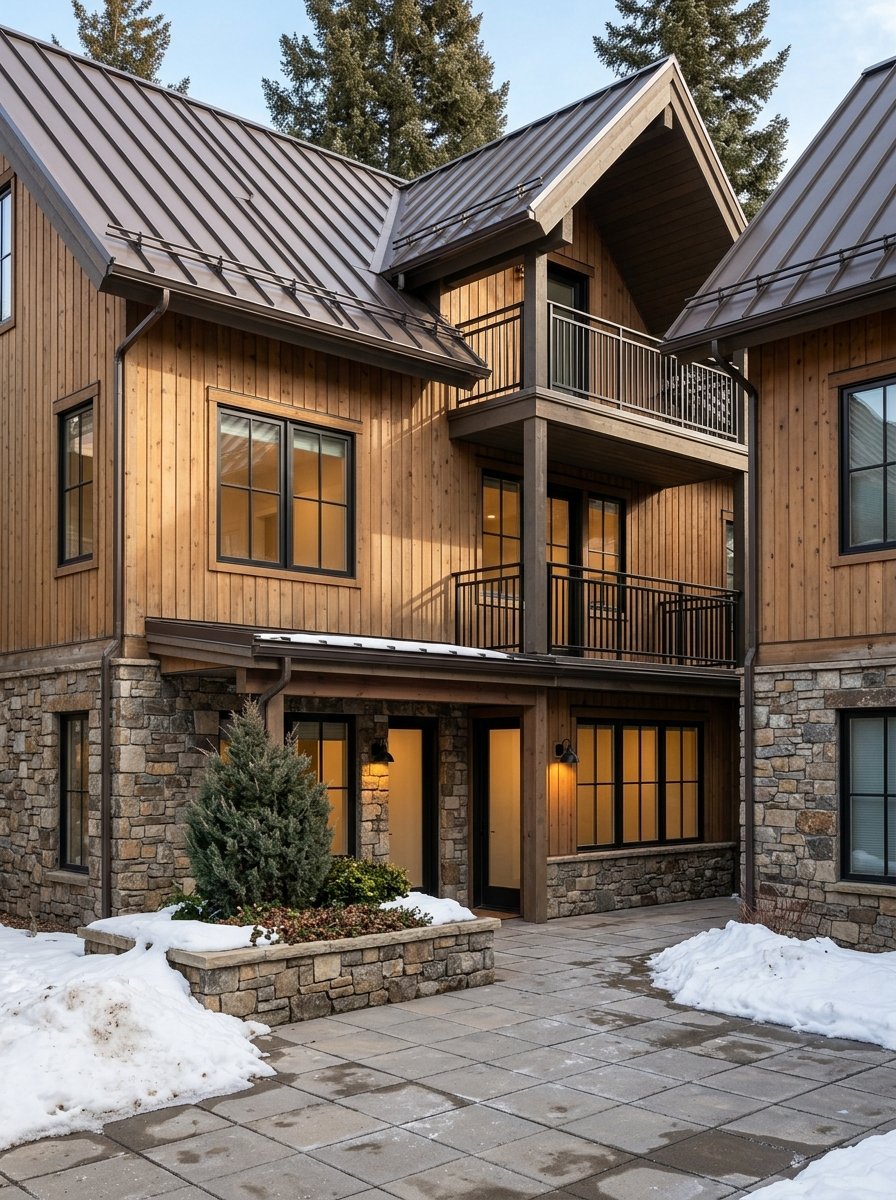
Choosing between a condo and a home in Steamboat Springs is not just about square footage or style. In this market, your best option often comes down to how you plan to use the property, how much maintenance you want to handle, and whether rental use is part of your plan. If you are weighing a second home, full-time move, or investment-minded purchase, understanding the local tradeoffs can save you time and costly surprises. Let’s dive in.
Why this choice matters in Steamboat
Steamboat Springs is not a one-size-fits-all market. According to a 2025 Yampa Valley Housing Authority housing study, 56.5% of homes in Steamboat Springs are occupied year-round, while 43.5% are used as part-time residences or vacation rentals. That makes ownership strategy especially important here.
The same study reported a countywide median single-family home price of about $1.4 million and a median condominium price of about $940,000. It also noted that many local condos are designed for part-time use and overnight rentals, with HOA fees helping cover building operations, staffing, and amenities. In Steamboat, condo versus home is often less about property type alone and more about the lifestyle and operating model you want.
Condos in Steamboat
A condo can make a lot of sense if you want a more streamlined ownership experience. For many buyers, the biggest appeal is being able to lock the door and leave without taking on the full burden of exterior upkeep.
According to Fannie Mae’s condo ownership guidance, condo ownership usually includes shared ownership of exterior areas and common spaces, with the HOA collecting dues and managing maintenance. Those dues often help pay for exterior repairs, common-area care, water, sewer, trash, amenity upkeep, reserve funds, and sometimes special assessments.
Condo benefits to consider
If your goal is convenience, a condo may line up well with your strategy. Common advantages include:
- Less hands-on exterior maintenance
- Easier lock-and-leave ownership for second-home use
- Building amenities in some communities
- A lower median entry point than many single-family homes in Routt County
In a resort market like Steamboat, those benefits can be especially appealing for buyers who live elsewhere part of the year. If you want a property that feels easier to manage from a distance, a condo may be worth a close look.
Condo tradeoffs to watch
Convenience comes with structure. Fannie Mae notes that condo owners typically must follow HOA rules and CC&Rs, and some changes may require approval.
That can affect everything from exterior updates to rental policies. The Consumer Financial Protection Bureau also points out that HOA dues can range from a few hundred dollars a month to more than $1,000 a month, so monthly carrying costs matter just as much as purchase price.
Homes in Steamboat
A single-family home usually offers more autonomy. If you want more privacy, more flexibility, or more control over how you use and maintain your property, a detached home may be a better fit.
That extra control often matters to buyers who want yard space, more storage, more parking flexibility, or fewer shared rules. It can also appeal to full-time residents who want a home that better supports day-to-day living rather than part-time use.
Home benefits to consider
For many buyers, a home is the better long-term lifestyle match. Common advantages include:
- More privacy and separation from neighbors
- Greater control over the property itself
- More flexibility for storage and parking
- More room for customization over time
If you plan to live in Steamboat year-round, those benefits may outweigh the added maintenance. They can also matter if you want your property to function in a very specific way.
Home tradeoffs to watch
With more control comes more responsibility. Fannie Mae’s homeowner maintenance guidance includes exterior care, gutters and vents, plumbing, electrical systems, HVAC, and seasonal maintenance.
That workload is especially relevant in Steamboat’s climate. NOAA normals cited in the research show 184.5 inches of average annual snowfall, including 46.6 inches in January and 35.8 inches in December. For detached homes, snow removal, roof access, winterization, and driveway upkeep are not minor details. They are part of the ownership experience.
Rental strategy changes everything
If rental income is part of your plan, this is where the condo-versus-home question gets more nuanced. In Steamboat Springs, short-term rental rules are a major part of the decision.
The City of Steamboat Springs states that it is unlawful to advertise or operate a short-term rental, hosted short-term rental, or temporary short-term rental without first obtaining a license under its short-term rental rules and regulations. The city also states there is no grandfather clause for STR licensing.
Understand the STR zones first
Steamboat’s overlay map divides properties into different STR zones. According to the city’s rules:
- Zone A has no cap on STRs
- Zone B has caps and lottery-based availability in some subzones
- Zone C prohibits STRs, with some exceptions for hosted and temporary STRs and certain legal nonconforming or VHR-registered properties
Before you fall in love with a property based on rental potential, you need to know what zone it is in and what rules apply there.
HOA rules can be stricter than city rules
This is one of the biggest condo-specific issues in Steamboat. The city warns that HOA rules may be more restrictive than city regulations, even if the city would otherwise allow short-term rental activity.
So if you are considering a condo for occasional income, you need two answers, not one:
- Does the city allow the intended rental use?
- Does the HOA allow the intended rental use?
If either answer is no, your strategy may not work.
Home rentals still require approvals
A detached home is not automatically a simpler rental property. The city says that for a single-family home or duplex, a vacation home rental permit is required, it must be renewed every year, and the city reviews things like parking and guest count through its short-term rental FAQ.
The city also states that STR licenses do not transfer with the sale of a property. If you are buying a home because it has been rented in the past, do not assume that setup carries over to you.
Occasional rental use has its own definitions
Some buyers only want limited rental flexibility. In that case, Steamboat’s definitions matter.
The city defines a temporary short-term rental as a primary residence rented on a temporary basis for a maximum of 2 occurrences and 30 cumulative days per calendar year. It also defines a hosted short-term rental as one guest room in a dwelling unit where the owner or permanent resident is present, according to the city’s rental FAQ page.
This is why strategy should come before property type. A condo can be a strong fit for occasional rental use only if the HOA, zoning, and city licensing path all align. A home may offer a different path, but it still comes with permitting and compliance requirements.
Compare lifestyle and operating style
In Steamboat, this decision usually comes down to convenience versus control. Both can be smart choices, but they serve different kinds of owners.
| Factor | Condo | Single-Family Home |
|---|---|---|
| Maintenance | Lower day-to-day exterior responsibility | More owner responsibility |
| Rules | HOA and CC&R oversight | More direct control |
| Privacy | Shared building or common elements | More separation and autonomy |
| Rental use | Depends on city rules and HOA rules | Depends on city rules and permit approval |
| Winter workload | Often reduced through shared maintenance | More direct snow and exterior upkeep |
| Cost structure | Lower median price, but HOA dues matter | Higher median price, more direct upkeep costs |
Which property type may fit your strategy?
If you want a lower-maintenance second home, a condo may be the better fit. That is especially true if you are comfortable with HOA governance, shared decision-making, and monthly dues that support the building and amenities.
If you want privacy, flexibility, and more control over your property, a home may be the stronger choice. That often fits year-round residents and buyers who are comfortable managing winter conditions and ongoing upkeep.
If rental use matters, neither option should be judged by assumption alone. You need to evaluate the property through the lens of zoning, licensing, HOA restrictions, and how often you realistically plan to rent it.
A smart Steamboat buying approach
The best purchase is the one that matches your real use case. In Steamboat Springs, that means looking beyond finishes and views and asking practical questions early.
A strong decision process usually includes:
- Confirming whether you want full-time, part-time, or investment-oriented use
- Reviewing the property’s STR zone and city rules
- Reading HOA documents carefully for condos
- Estimating total ownership cost, including dues or seasonal upkeep
- Thinking honestly about your tolerance for maintenance, snow logistics, and shared rules
That kind of planning helps you buy with confidence and avoid strategy mismatch later.
If you are comparing condos and homes in Steamboat Springs, local context matters. The right fit depends on how you want to live, what level of control you want, and whether rental use is part of the picture. For clear, local guidance tailored to your goals, connect with The Labor Long Team.
FAQs
What makes condos different from homes in Steamboat Springs?
- In Steamboat Springs, condos often offer lower-maintenance ownership with HOA-managed exterior care, while homes usually provide more privacy and control but require more hands-on upkeep.
Are condos in Steamboat Springs allowed to be short-term rentals?
- Some are, but you need to confirm both the city’s short-term rental rules and the condo HOA’s rules, because HOA restrictions can be stricter than city regulations.
Do short-term rental licenses transfer with a Steamboat Springs property sale?
- No, the City of Steamboat Springs states that short-term rental licenses do not transfer with the sale of the property.
Is a single-family home better for rental income in Steamboat Springs?
- Not always, because single-family homes still require city approval, annual permit renewal, and compliance with parking, guest count, and other local rules.
Why do HOA fees matter when buying a condo in Steamboat Springs?
- HOA fees can cover exterior maintenance, common-area care, utilities, amenities, reserves, and other building costs, so they are a key part of your total ownership budget.
How does snowfall affect homeownership in Steamboat Springs?
- Steamboat’s heavy snowfall can make snow removal, roof access, winterization, and driveway maintenance a meaningful part of owning a detached home.