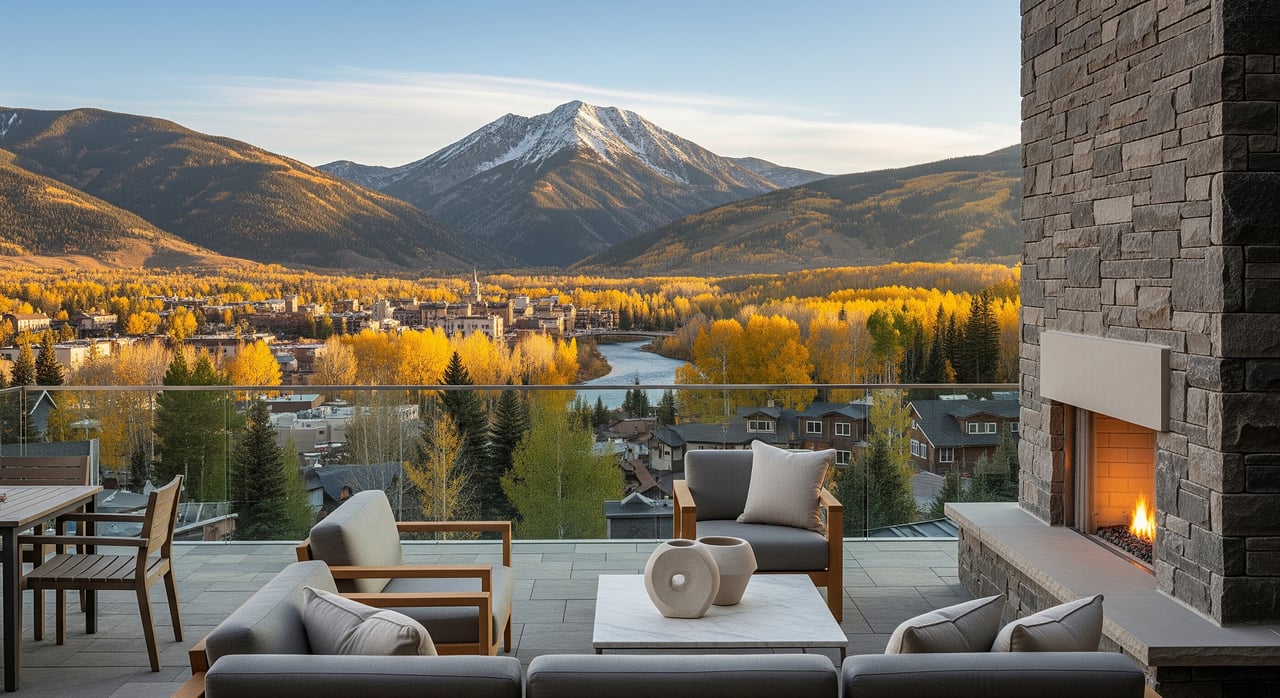
Torn between living near Lincoln Avenue or next to the lifts? You’re not alone. Choosing between downtown and the mountain area in Steamboat Springs comes down to lifestyle, logistics, and the kind of home that fits you best. In this guide, you’ll compare daily-life tradeoffs, housing types, and key buying checks so you can feel confident about your decision. Let’s dive in.
Downtown at a glance
Downtown, often called Old Town, is the hub of restaurants, cafés, galleries, and civic life clustered along Lincoln Avenue and nearby blocks. You’ll find historic single-family homes, in-town bungalows, some modern infill, and condos above or near shops. If you want a walkable lifestyle with easy access to the Yampa River and downtown parks, this area is a strong match.
Tradeoffs include smaller lots, limited private outdoor space for some properties, and logistics like street parking and snow clearing. Noise can vary by block, especially near evening activity zones. If you value quick errands and community events, downtown keeps daily life simple.
Mountain area at a glance
The mountain and base-area neighborhoods focus on resort living near Steamboat Ski Resort and Mount Werner. Many condos and townhomes are designed for ski-in or shuttle-access convenience, and single-family homes are found on slopes or ridgelines a bit farther from the base. This area suits buyers who prioritize immediate lift access, views, and resort amenities.
Expect premiums for ski-adjacent properties, plus seasonal congestion during peak times. HOAs often manage utilities, shuttles, and amenities, which adds convenience and monthly dues. If rental income is part of your plan, confirm short-term rental rules early because regulations and HOA policies directly affect viability.
Residential corridors: the middle ground
Between Old Town and the ski base are residential corridors within city limits that offer more space with convenient town access. Areas near Howelsen Hill provide a distinct local recreation hub, while places like Strawberry Park feel more spread out and rural within the city boundary context. You’ll see family-size homes, modest lots, and a mix of newer developments and larger parcels.
These neighborhoods often appeal to year-round residents seeking yards, garages, and proximity to schools and services. Some corridors are more car dependent than downtown, yet they are typically less seasonal than the base area. Note that local terms for neighborhoods and boundaries can be fluid, so rely on city and county maps for precise zoning and parcel details during due diligence.
Daily life tradeoffs
Ski access and winter logistics
Mountain-area properties place you closest to the lifts and resort services, often with shuttle options right at your door. Downtown and residential corridors usually require a drive or shuttle ride to the base, so it helps to confirm real winter travel times. Pay close attention to snow removal, driveway steepness, storage for snow, street plowing frequency, and parking rules because they shape your day-to-day in peak winter.
Dining, shopping, and services
Downtown concentrates dining, nightlife, and specialty retail, which makes evening plans and quick errands easy without a car. At the base area, you’ll find resort dining and après spots, but everyday shopping is more limited. Most full-service grocery, medical clinics, and municipal services are in town or along main corridors, so confirm exact distances for any property on your short list.
Transit and driving
Local transit and resort shuttles operate seasonally and often year-round, especially around the ski area. Verify whether your property is on a free shuttle route and review schedules if you expect regular rides to the lifts. Downtown living can reduce daily driving for errands, while mountain-area living may increase reliance on a vehicle or shuttle.
Outdoor recreation beyond skiing
Downtown gives quick access to the Yampa River Core Trail, parks, and community events. The mountain area places you near alpine trailheads, mountain biking, and backcountry access. Residential corridors offer a range of trail networks and facilities like Howelsen Hill for everyday recreation.
Home types and market factors
Property types by area
- Downtown condos and small homes are popular for walkability and low-maintenance living. They can fit downsizers, first-time Steamboat buyers, or full-time residents who want to be close to town life.
- Ski-area condos and townhomes typically command higher prices per square foot for proximity to lifts. They appeal to second-home buyers and investors who value convenience and rental potential.
- Single-family homes in residential corridors often draw full-time residents who want yards, garages, and quiet streets while staying close to services.
What pushes prices
- A ski-area premium is common for properties near the base and for ski-in or shuttle-friendly locations.
- Views, privacy, riverfront, and larger lots tend to carry higher values across the city.
- Turnkey homes cost more upfront, while older downtown homes may come with renovation needs that impact your total budget.
- HOA dues in resort condos can be higher because they often include utilities, maintenance, shuttles, and amenity upkeep, which affects carrying costs and investment returns.
Resale and rental dynamics
Resort towns see strong second-home activity and seasonal shifts in listings. Short-term rental demand influences pricing and investor interest, and local regulations and permitting can be decisive for rental strategies. For resale potential, consider walkability, school proximity, and neighborhood noise profile, which all shape year-round appeal.
Rules to verify before you buy
Short-term rentals may require city licenses or be restricted by zoning and HOA rules. Confirm whether a property has a current permit and if it transfers with a sale. Zoning also controls additions, setbacks, height limits, and accessory dwelling units, so check what future changes are allowed.
Review HOA bylaws, reserve funds, recent minutes, planned projects, and any special assessments. Verify who manages snow removal and which roads are publicly maintained in winter. Confirm utility providers, whether the property is on municipal water and sewer or uses well and septic, and available internet speeds if you work from home.
Insurance and risk matter in mountain markets. Properties at higher elevation or near wildland-urban interfaces can have different insurance requirements. If a property sits near steep terrain or the river, ask about avalanche or flood exposure and review local hazard information during due diligence.
Property taxes are set by Routt County and depend on assessed value and local levies. Request recent tax bills and, for older homes, ask for typical heating and utility costs so you can budget accurately.
Which area fits your style
- Ski-first buyer or second-home investor: You may prefer a mountain-area condo or townhome near the base or shuttle. Key checks include short-term rental rules, HOA rental policies, parking logistics, and winter maintenance.
- Downtown-lifestyle buyer: You might lean toward a condo or small single-family home near Lincoln Avenue or the river trail. Focus on noise levels, parking arrangements, maintenance needs for older homes, and walkability.
- Family and space buyer: Residential corridors often deliver yards, garages, and quieter streets while staying close to services. Confirm school boundaries, yard size and orientation, commute routes, and utility infrastructure.
- Value-seeker or fixer: Consider older in-town homes that need updates or smaller condos away from resort premiums. Pay close attention to building systems, winterization, and any historic or zoning rules that affect renovations.
How to compare homes in person
Use this quick checklist to make apples-to-apples comparisons, especially in winter:
- Drive the route to the ski base and to downtown services at realistic times. If possible, test it in winter conditions.
- Confirm parking capacity, assigned spots, guest spaces, and on-street rules.
- For condos, check elevator and common-area reliability since winter can stress systems.
- Review HOA minutes, budgets, reserve studies, and any planned assessments or capital projects.
- Ask for recent utility bills and snow removal contracts to understand costs.
- Get a homeowner insurance quote and ask about wildfire mitigation recommendations.
- Verify whether the address is on municipal water and sewer or a well and septic system.
- Confirm school boundaries and bus service with the district for family planning.
- Request copies of any current short-term rental permits and ask whether permits transfer with a sale.
- For mountain-edge properties, review topography and any known avalanche history, and consult seasonal advisories when relevant.
Your next step in Steamboat
Whether you want to walk to dinner downtown, click into your skis near the base, or find a quiet street with a yard, the right Steamboat neighborhood starts with your daily-life priorities. From short-term rental planning and zoning checks to winter logistics and resale strategy, you deserve a local team that helps you make a confident choice. Ready to narrow your search with a neighborhood-by-neighborhood plan? Start with a tailored consult from The Labor Long Team.
FAQs
What is the main difference between downtown and the mountain area in Steamboat?
- Downtown is the cultural and civic core with high walkability, while the mountain area centers on resort access, ski convenience, and seasonal activity near the base.
How does winter commuting differ by neighborhood in Steamboat Springs?
- Mountain-area homes offer the shortest lift access, while downtown and corridors usually require a drive or shuttle; verify winter travel times and plowing schedules.
Are short-term rentals allowed in all Steamboat neighborhoods?
- Rules vary by city zoning, neighborhood, and HOA; confirm permits, restrictions, and whether any existing permit transfers with a sale before you buy.
Where are most groceries and medical services located in Steamboat?
- Full-service grocery, clinics, and municipal services are in town or along main corridors, so check distances from any property you are considering.
What should I look for in HOA documents for a Steamboat condo or townhome?
- Review dues, what they cover, reserve fund health, recent minutes, pending assessments, rental rules, and any planned capital projects.
Do downtown homes in Steamboat typically have large yards and easy parking?
- Many downtown parcels have smaller lots and rely on street or limited parking; confirm space, snow storage, and parking rules for each address.
How do wildfire, avalanche, or flood risks affect buying near Steamboat?
- Risk varies by location and terrain; include hazard reviews and insurance quotes in due diligence, especially for slope-side or river-adjacent properties.