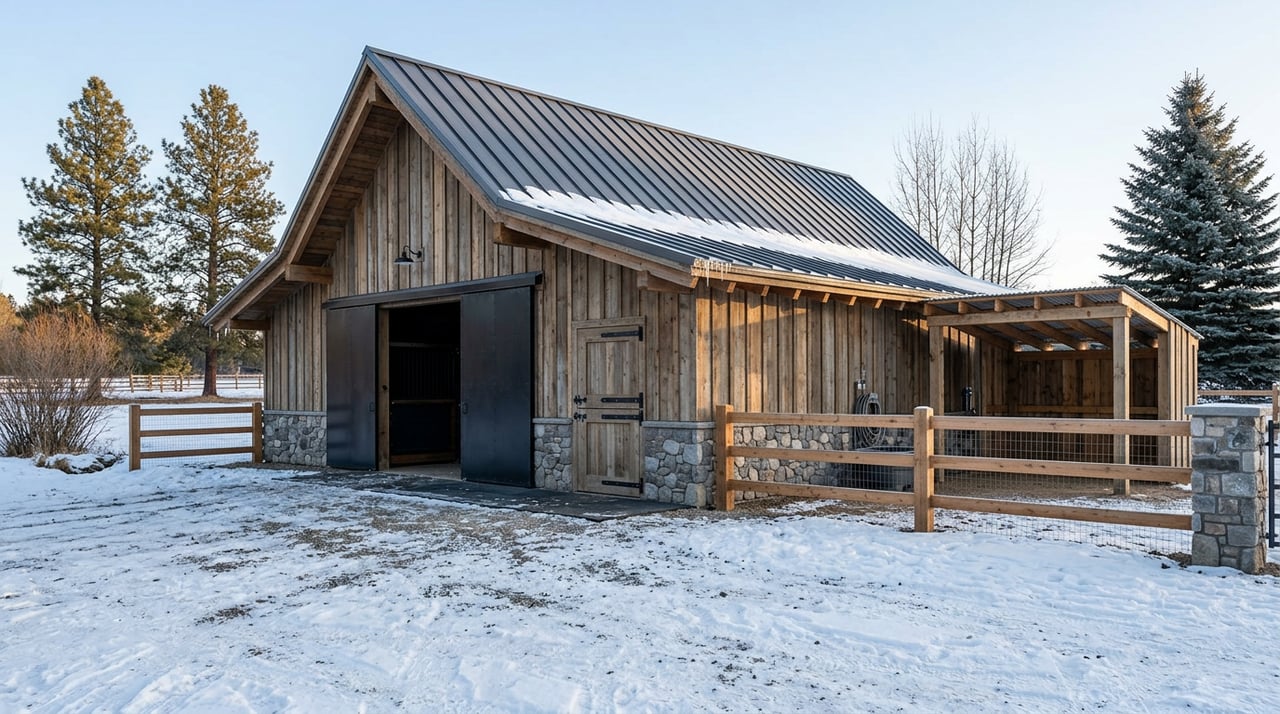
You picture crisp mornings, wide valley views, and the easy rhythm of turning horses out before coffee. Around Steamboat Springs, that dream is very real, but the best ranch and equestrian purchases start with clear eyes on water, land use, and daily operations. In this guide, you’ll learn the essentials that drive value in Routt County, from irrigation rights to wildfire and winter access. You’ll also get a practical checklist to shop with confidence. Let’s dive in.
Why Steamboat ranchland stands out
The Yampa Valley blends irrigated river meadows with upland pastures, aspen stands, and quick access to public lands. Many acreage properties include a mix of valley bottom hay ground and higher grazing, which creates variety for horses and livestock. Local water storage at Stagecoach and Yamcolo supports irrigation, municipal, and environmental flows through coordinated releases by the Upper Yampa Water Conservancy District. That system shapes how productive a property’s meadows can be and how reliable water is through the season.
Public land proximity is another hallmark here. Larger tracts often advertise adjacency or quick trail access for riding and hunting. That can boost recreational appeal, but it also adds considerations for grazing management, access, and wildfire preparedness.
Property types you’ll find
Ranchettes and horse properties
You will see many smaller equine acreages sized for personal horses, often about 5 to 35 acres in Colorado markets. Typical features include cross‑fenced pastures, 1 to 8 stalls, hay storage, and a riding arena. These properties prioritize daily convenience, footing and drainage, and winter water delivery. They are popular in areas like Oak Creek and Stagecoach that remain a short drive from Steamboat Springs.
Working and operational ranches
Working ranches in Routt County commonly range from hundreds to low thousands of acres. They often include irrigated hay meadows, multiple barns, corrals, loafing sheds, adjudicated water rights, and ponds or springs. Some operations utilize nearby BLM or USFS grazing to extend pasture seasons. If year‑round cattle or hay production is part of your plan, you will want to weigh irrigated acres and water priority as much as house or barn finishes.
Subdivided and conserved parcels
You will also find smaller scenic lots carved from historic ranchland. Many carry covenants, and some sit within conservation programs that limit future development or commercial use. Conservation is a major part of local land stewardship, with high‑profile South Valley properties, such as the Alpen Glow Ranch, placed under easement to preserve working lands and viewsheds. You can see how these easements work in practice by reviewing the story of that conservation with the Colorado Cattlemen’s Agricultural Land Trust.
Features that matter for horse operations
Water and irrigation: Ditch headgates, laterals, pivots or gated pipe, and on‑site pond storage determine how many irrigated acres you truly have and how resilient your pastures are in dry years. The presence of adjudicated rights, ditch shares, or storage contracts tied to Stagecoach or Yamcolo often drives a large share of value. Learn more about how local storage supports Upper Yampa flows through the Upper Yampa Water Conservancy District.
Barns and stalls: Look for heated or insulated stalls, tack and feed rooms, and sensible hay access. Larger properties may include staff or manager apartments.
Arenas and training areas: Outdoor and indoor arenas, round pens, and lunging areas are common. Footing quality and drainage show up often in listing notes because they affect ongoing maintenance.
Fencing and paddocks: Perimeter fencing and cross‑fencing vary by property. To evaluate safety and liability, Colorado State University Extension’s guidance on lawful fencing is a useful reference. Spot weak posts, exposed barbed wire, or missing cross‑fencing early.
Hay, waterers, and winter systems: In our high‑altitude climate, frost‑free hydrants, insulated lines, and reliable waterers keep daily chores manageable. Adequate hay storage and easy truck turnarounds help you stay self‑sufficient through winter.
Shops, equipment, and handling: Corrals, a chute, and equipment storage determine how efficiently you can run a small herd or board a few horses without constant outside help.
Water is the value driver
Colorado follows prior appropriation, so water rights and ditch shares are separate assets from the land. Around Steamboat, summer irrigation supply and the priority of those rights determine how much hay you can put up and how long pastures stay green. You should verify adjudicated rights, diversion points, and any storage contracts serving the property. The Upper Yampa Water Conservancy District manages Stagecoach and Yamcolo reservoirs, and understanding how those contracts work can help you compare properties.
New measurement rules in the Yampa Basin
Effective January 16, 2024, Division 6 adopted water measurement rules that require measuring devices or approved methods on many diversions, with deadlines that vary by diversion size. For buyers, this affects compliance, costs, and future upgrades on ditches or headgates tied to your parcel. Ask sellers for existing device information, compliance status, and any planned retrofits. You can review a plain‑language summary of the new rules and timelines in regional reporting.
Zoning, uses, and permits
Routt County’s Unified Development Code is your starting point for what you can build and how you can operate. The Uses by Zone District table outlines where agriculture, commercial boarding, arenas, guest ranches, and related uses are permitted or require a review. If you plan lessons, boarding, or events, confirm whether you need a Minor, Administrative, or Conditional Use Permit and what setbacks or accessory dwelling limits apply. When in doubt, request a zoning confirmation letter from Planning before you commit.
Wells and septic basics
Well permits in Colorado depend on parcel size, aquifer conditions, and whether the basin is over‑appropriated. Many buyers hear about a common 35‑acre threshold for certain exempt domestic wells, but actual eligibility depends on site specifics and Division of Water Resources rules. Do not assume a new well is allowed or adequate until a professional review. County and state summaries explain how the State Engineer’s Office evaluates exempt and non‑exempt wells and when augmentation may be required.
Septic systems are permitted at the county level. Confirm permit history, soils testing, and capacity, especially if you plan to add an accessory dwelling, expand a barn with wash racks, or convert spaces later. You can find contacts and permits through Routt County Planning.
Wildfire, floodplain, and access
Wildfire and defensible space
Many parts of Routt County rate high to very high for wildfire risk. Before you buy, evaluate defensible space, vegetation management needs, driveway access for fire equipment, and potential insurance impacts. The Routt County Wildfire Mitigation Council offers grants, chipping, and home‑ignition evaluations along with local map tools. These programs can help you estimate mitigation costs and plan improvements.
Floodplain and riparian zones
River meadows along the Yampa are beautiful and productive, but they may intersect FEMA floodplains and regulatory floodways. Confirm the flood zone for your parcel, required building elevations, and any freeboard standards early in due diligence. Local planning packets reference related FEMA mapping, which affects where you can place new structures and how you insure them.
Roads, winter, and daily logistics
Ask whether access is on a county‑maintained road or a private road with an HOA or road agreement. Deep winter snow, steep grades, and narrow bridges can affect daily horse care, hay deliveries, and contractor access. Confirm who is responsible for plowing, whether seasonal gates exist, and if hay trucks can safely turn around. Routt County Planning can point you to maps and contacts for road and bridge questions.
Utilities and service checks
Verify electric service and potential line extensions before you close. In much of the Upper Yampa area, the local cooperative is Yampa Valley Electric Association, which you can learn about through regional nonprofit partners. For remote parcels, confirm broadband options and any planned upgrades. Utility timing and costs can shape your improvement budget just as much as barn design.
Your Steamboat ranch buyer checklist
Use this quick list to keep your search focused:
- Confirm zoning and permitted uses with Routt County Planning. Ask for a printout of the parcel’s zone and the Uses by Zone District table.
- Order a title commitment and review recorded water rights, ditch shares, conservation easements, and covenants.
- Request from the seller: legal descriptions for water rights, ditch share documents, and any Stagecoach or Yamcolo storage contracts tied to the property. Confirm details with the appropriate agencies.
- Ask for water measurement device information and compliance status under Division 6’s 2024 rules.
- Check well permit status and whether the lot meets conditions for an exempt domestic well. If there is no permit, ask for a hydrogeologic feasibility assessment.
- Inspect irrigated acres, delivery systems, soil conditions, and drainage. Clarify real hay production versus marketing projections.
- Evaluate barns, arena footing and drainage, fencing condition, manure management, and winter water delivery systems using CSU Extension red‑flag guidance.
- Run a wildfire and flood check. Estimate mitigation or elevation costs if the property is not already hardened.
- Confirm access and winter maintenance responsibility. Verify driveway turnarounds for hay trucks and emergency vehicles.
- If you plan boarding or lessons, confirm permit requirements and talk with your insurer about coverage.
How we help you compare with confidence
Selecting the right ranch or equestrian property is about fit and function as much as views. You deserve clear answers on water, zoning, and operations before you write an offer. Our team pairs deep local knowledge with responsive service to help you source, evaluate, and negotiate the right parcel for your goals. When you are ready, connect with The Labor Long Team to Start Your Steamboat Search.
FAQs
What makes water rights so important for ranches near Steamboat?
- Irrigation rights, ditch shares, and storage contracts drive pasture productivity and hay output, which directly affects value; the Upper Yampa Water Conservancy District explains how local storage supports flows that many ranches rely on.
How did the 2024 Division 6 measurement rules change buyer due diligence?
- Many diversions now require measurement devices or approved methods on specific timelines, so you should verify a property’s compliance status and any device upgrades needed before closing.
Can I drill a new well on a 35‑acre parcel in Routt County?
- A 35‑acre size alone does not guarantee an exempt domestic well; eligibility depends on aquifer and basin conditions and Division of Water Resources rules, so confirm with the state and consult local guidance before assuming feasibility.
Are conservation easements common in the South Valley?
- Yes, conservation is active in Routt County, and recorded easements can limit subdivision or some commercial uses; the Alpen Glow Ranch conservation story shows how these tools preserve working lands and views.
What should I check for horse‑safe fencing on a property tour?
- Look for secure posts, appropriate materials, and solid cross‑fencing while avoiding exposed barbed wire or broken rails; CSU Extension’s fencing guidance offers a simple standard to work from.
Will wildfire risk affect my insurance options in Routt County?
- It can; many parcels rate high to very high for wildfire risk, so plan for defensible space and consult the Routt County Wildfire Mitigation Council’s programs to understand improvements and potential costs.
How do I confirm if a property sits in a floodplain near the Yampa River?
- Check local planning packets that reference FEMA’s Flood Insurance Rate Maps, then verify building elevation and freeboard requirements, which affect placement and insurance.
Upper Yampa Water Conservancy District | Routt County UDC Uses Table | CCALT: Alpen Glow Ranch Conservation | CSU Extension: Fencing | Division 6 Measurement Rules Overview | State Engineer’s Office Info | Routt County Planning | Routt County Wildfire Mitigation Council | Floodplain Reference Packet | Yampa Valley Electric Association overview