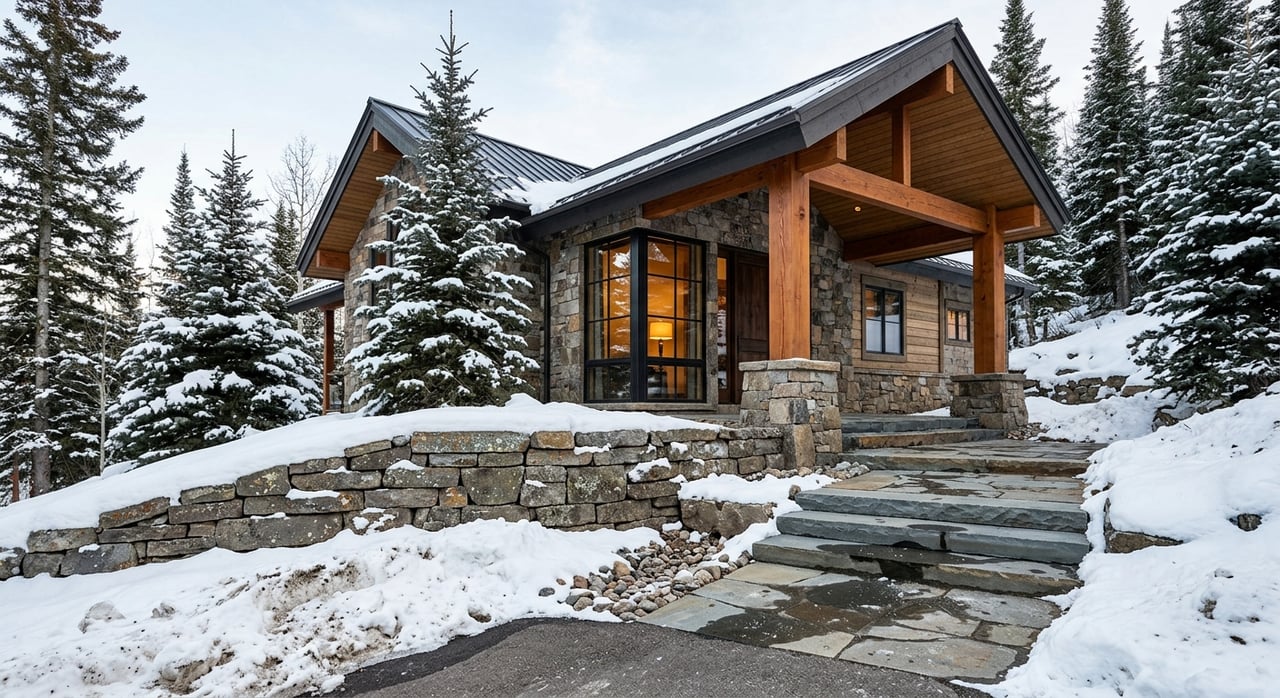
Buying land in Steamboat Springs is exciting, but the details can make or break your plans. You want to build with confidence, avoid surprise costs, and understand exactly what you can do with the property. In this guide, you’ll learn the key local rules, must‑check utilities, environmental constraints, and a practical due diligence plan tailored to Steamboat and Routt County. Let’s dive in.
First check: city or county jurisdiction
Before you fall in love with a parcel, confirm whether it sits inside the City of Steamboat Springs or in unincorporated Routt County. This affects zoning, permitted uses, density, short‑term rental rules, and the permit process. For properties within city limits, start with the City’s Planning and Community Development resources, including application steps and contacts on the City’s Planning and Community Development page. If the parcel is in the county, it follows the Routt County Unified Development Code; short‑term rentals are generally restricted unless specifically permitted in unincorporated areas. Review the Routt County Unified Development Code to understand how your intended use aligns with local rules.
Zoning and use permissions vary, so read the actual code sections relevant to your parcel. The city and county also have distinct review processes and timelines. Early contact with the applicable planning office helps you scope feasibility, submittal requirements, and any pre‑application meetings that could save time.
Survey, title, and access: make it buildable
Legal buildability comes down to clean title, accurate boundaries, and recorded access. Order a current title commitment and an ALTA/NSPS land‑title survey. Lenders often require an ALTA to remove standard survey exceptions from title insurance, and it will reveal easements, encroachments, and access details. Learn what an ALTA includes from this overview on why an ALTA/NSPS survey matters.
Verify that the parcel has legal vehicular access. Physical access is not enough. You want a public road, a dedicated easement, or a recorded right‑of‑way that a title company will insure. Lack of legal access can block financing, raise construction costs, and slow approvals.
Review recorded covenants, conservation easements, and any HOA rules. These can limit building envelopes, exterior materials, and rental options. In Colorado, surface and mineral estates are often severed. Check for mineral reservations and any recorded oil and gas leases in your title work. Surface‑use agreements or pipelines can affect building placement and insurability.
Water and wastewater: the deal makers
Water and wastewater often decide whether a Steamboat land purchase pencils. Start with a simple question: Is the parcel served by a municipal or special district system, or will you need a private well and septic?
- Municipal or district service. If you are within a district’s service area, you will typically pay tap or connection fees and follow local rules for new service. Much of the resort area is served by Mount Werner Water & Sanitation; review their service overview and tap processes on the Mount Werner Water & Sanitation District page. Tap fees and policies change, so get current details in writing.
- Private wells in the Yampa Basin. Large portions of the Yampa Basin are now designated over‑appropriated. New well permits and expansions can face more restrictive review and may require augmentation or water court actions. Read about the designation and its impact in this report on the basin being officially designated over‑appropriated. Contact the Division of Water Resources, Division 6 office in Steamboat early if a well is part of your plan.
- Onsite wastewater systems (septic/OWTS). If sewer is not available, you will need an OWTS permit through Routt County Environmental Health. Site and soil conditions drive the design and cost. Valley bottoms, shallow groundwater, or steep slopes may require engineered or mound systems. Start with the Routt County septic permitting guide and request any historic permits or as‑builts for the parcel.
Tip: If a parcel lacks both public water and sewer, plan extra time and budget. You may need a well permit, a water‑rights strategy, an engineered septic, and upgraded drainage.
Environmental and hazard checks you cannot skip
Steamboat’s mountain setting comes with real environmental constraints. A little homework here can protect your timeline and budget.
Floodplain and wetlands
Use FEMA resources and city guidance to confirm flood risk and local elevation or mitigation requirements. Properties in Special Flood Hazard Areas face added design steps and potentially higher insurance costs. Start with the Steamboat Springs floodplain management page and pull the correct FIRM panel for the parcel.
If you see wetland indicators such as saturated soils or hydrophytic vegetation, plan for a delineation. Construction that impacts wetlands or jurisdictional waters may require federal review. Get familiar with permit pathways using the EPA guidance on Clean Water Act Section 404 and budget for avoidance or mitigation if needed.
Wildfire, snow, slope, and avalanche
Routt County has an active Community Wildfire Protection Plan and mitigation programs. Wildfire risk can influence siting, defensible space, and even insurance availability. Parcels near steep slopes or high snow zones may also need avalanche review and building design that accounts for heavy snow loads. Ask the local building office about applicable snow load guidance and inspection timing.
Soils, rock, and geotechnical
In steep or rocky terrain, a geotechnical engineer is essential. Subsurface conditions drive foundation design, drainage, and septic feasibility. For background on local geologic and flood risks, review the county’s hazard planning materials such as this Routt County hazard mitigation reference.
Infrastructure, approvals, and ongoing costs
Confirm utility availability and the real cost to serve your site. Each item has a budget impact that can change your offer strategy.
- Electricity and telecom. Yampa Valley Electric Association serves much of the valley. Ask about service territory, capacity, and any costs to extend lines or set transformers. Broadband availability varies by street. Confirm provider options and whether your address is included in any funded buildouts.
- Roads and winter access. Determine who maintains the access road. County‑maintained, HOA, or private maintenance each mean different plowing schedules and costs. Remote parcels can incur higher hauling and delivery fees in winter, so factor seasonality into your construction plan.
- Special districts, metro districts, and taxes. Many newer developments use special districts to finance infrastructure. These districts can levy mill rates and assessments that add to your carrying costs. Use the assessor’s tools to identify all taxing entities for a parcel and compare mill levies year over year.
- Permits, codes, and timeline. The city and county adopt model code editions and local amendments over time. Ask which edition applies and what the typical review timeline is for your project type. Both use online portals for permit submittals, but requirements differ by jurisdiction, season, and scope.
How Steamboat prices land today
In mountain and resort markets like Steamboat, land value follows a clear order:
- Legal buildability. Clean title, recorded access, and zoning that supports your intended use.
- Utilities. Availability of water, sewer, and power usually sets a higher baseline value.
- Location. Proximity to town, the ski area, or the airport can influence demand.
- Site features. Views, slope, privacy, vegetation, and hazard exposures round out pricing.
Use fresh data. For county‑verified comparables and parcel research, start with the Routt County COMPER comparable sales instructions. Pair that with current MLS data to make sure your analysis reflects today’s conditions, not last year’s assumptions.
Your step‑by‑step due diligence plan
Use this checklist to reduce risk and get actionable cost estimates before you finalize an offer.
- Confirm jurisdiction and zoning. Call the applicable planning office to verify whether the parcel is in the city or county and request the relevant zoning/use rules. Reference the City’s Planning and Community Development page or the Routt County Unified Development Code.
- Order title and survey. Get a title commitment and an ALTA or boundary survey. Review Schedule B exceptions, easements, access rights, and any mineral reservations. Use this explainer on why an ALTA/NSPS survey matters to scope what your surveyor will deliver.
- Verify legal access. Confirm recorded access to a public road or a documented easement or right‑of‑way. Ask the title company to insure access.
- Map utilities and tap options. Determine if the lot is inside a water or sanitation district and get written tap policies and fee schedules. For resort‑area service, start with Mount Werner Water & Sanitation.
- Plan for a well if needed. If public water is not available, contact Division of Water Resources, Division 6, to understand well permit feasibility and whether the parcel is in an over‑appropriated reach of the Yampa. Read about the over‑appropriated designation and ask what augmentation or documentation you would need.
- Evaluate septic feasibility. If sewer is not available, engage a septic designer and request a site and soil evaluation. Use the Routt County septic permitting guide and ask for any historic permits or as‑builts.
- Check floodplain and wetlands. Pull the correct FIRM panel and review city floodplain rules. Start with the Steamboat Springs floodplain management page. If wetlands are likely, review EPA guidance on Clean Water Act Section 404 and budget for delineation and permits.
- Assess wildfire, snow load, and slope. Ask planning and building officials for local guidance on defensible space, fuel reduction, and snow load requirements. Budget for mitigation and design upgrades where risk is higher.
- Engage a geotechnical engineer. In rocky or steep terrain, get soils testing and foundation recommendations. For context on local hazards, see the county’s hazard mitigation reference.
- Pull comps and taxes. Use the Routt County COMPER comparable sales instructions to identify relevant land sales. Review the assessor’s parcel record to list taxing entities and estimated mill levies.
Partner with a local team that knows land
Buying land here rewards preparation. When you confirm jurisdiction, utilities, and site constraints early, you can make a strong, realistic offer and plan a smoother build. If you want local insight, introductions to the right professionals, and a clear path from raw parcel to site plan, we are ready to help. Start your Steamboat plan with The Labor Long Team.
FAQs
What should I check first when buying land in Steamboat Springs?
- Confirm whether the parcel is inside city limits or in unincorporated Routt County, then review zoning and use rules using the city’s planning resources or the county UDC.
How do Steamboat’s short‑term rental rules affect land purchases?
- STRs are handled differently by the city and county; in unincorporated Routt County they are broadly restricted unless specifically permitted, so verify jurisdiction and rules early.
Can I drill a well if the lot has no municipal water?
- It depends on location; parts of the Yampa Basin are designated over‑appropriated, which can require augmentation or added conditions, so contact Division 6 before assuming a well is allowed.
What if the lot needs a septic system instead of sewer?
- You must obtain an OWTS permit through Routt County, including a site and soil evaluation; difficult soils or shallow groundwater can require engineered systems with higher costs.
How do floodplains and wetlands affect my build plan?
- Lots in a Special Flood Hazard Area face elevation and mitigation requirements, and work in wetlands may need federal review, so confirm with FEMA maps and Section 404 guidance early.
What ongoing costs should I expect beyond the purchase price?
- Plan for tap or connection fees, utility extensions, special district or metro district taxes, road or HOA maintenance, and permit and inspection fees that vary by jurisdiction.