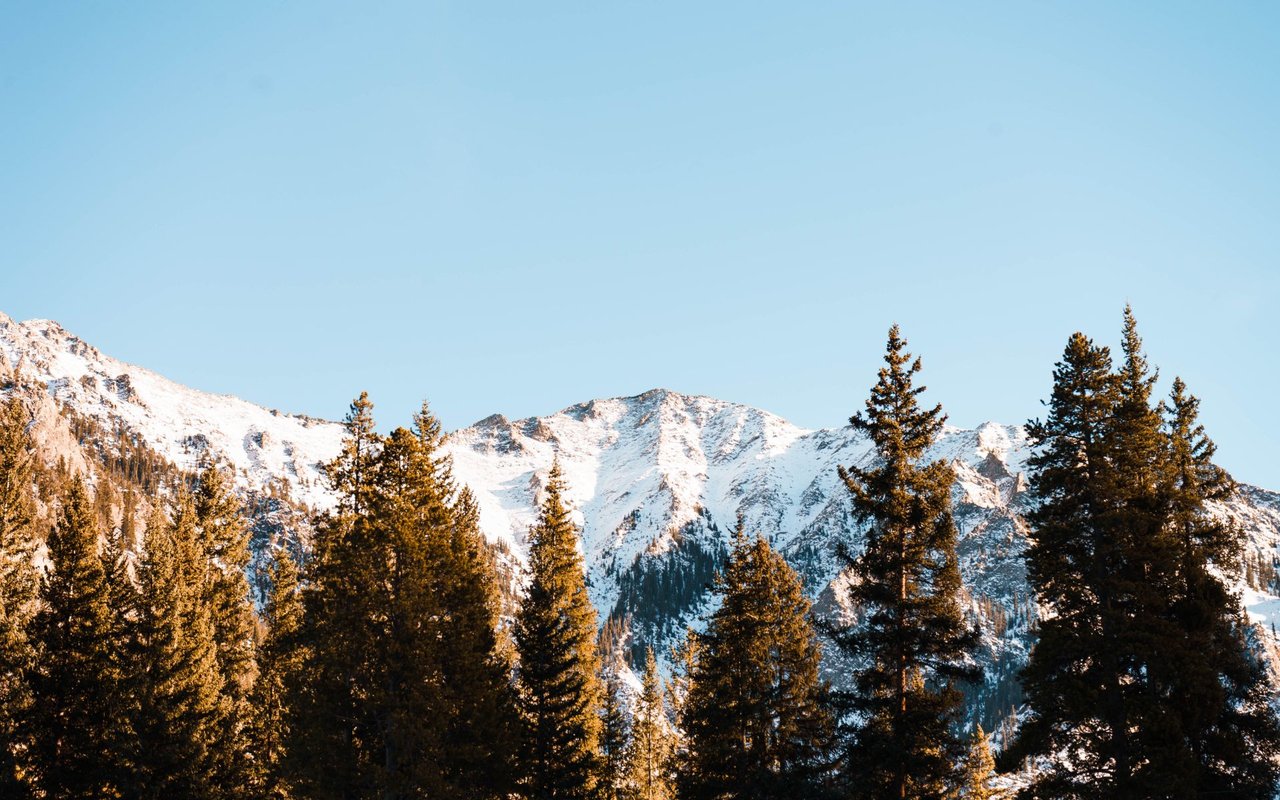
The Emerald Mountain Epic ran August 8 and 9, and for two days the trail system that most of us treat as a backyard became a course.
The instinct is to assume the mountain was swallowed whole for the weekend. It wasn't, and the reason why says something bigger about what has actually been happening to Steamboat's trail network since a lodging tax vote thirteen years ago quietly started paying for all of it.
The Cap Nobody Expects
Race weekends have a reputation for taking over. This one is built specifically not to. Organizers of the Emerald Mountain Epic, formerly known as the Steamboat Stinger, have kept the start line capped at 500 riders and runners per day in past years, a limit set to protect the same singletrack everyone else rides all summer. That is a deliberate ceiling on a race that could easily sell more bibs, and it is the reason the mountain stays rideable around the course rather than shut down entirely.
The event kicked off at Howelsen Hill and worked through Emerald Mountain's backcountry, with three named Strava challenge segments that longtime racers chase every year:
- Little Moab, a short, technical, rocky descent
- Alchemy Body and Bike Hill Climb, a punchy singletrack climb
- Glas Deffryn Ranch Sprint, a two-mile stretch of county road where riders open it up
Proceeds go to Routt County Riders and Partners for Youth, which is worth knowing if you are wondering why volunteers in event tees were out marking the course that week. If your usual loop touched any of those named sections, riders could expect a short detour, not a closed mountain.
Last Fall's New Line
If you haven't ridden Emerald since the leaves turned last year, there is new terrain waiting. Highway to Hell, an advanced and expert downhill trail, opened to riders last October, timed for peak aspen color. Built by FlowRide Concepts, the same crew behind sections of the popular NPR flow trail, the new line runs just over three miles and packs in 27 berms, 11 step-up jumps, 27 rock drops, and roughly 20,000 square feet of rock armoring, according to the city's own project page. The trail finishes with a signature overpass bridge and a final stretch of rugged rock armoring before dropping back toward the trailhead.
The trail was a joint build between Steamboat Springs Parks and Recreation and Routt County Riders, and it did not happen by accident or good weather. It happened because of a funding mechanism that has been running in the background for over a decade.
The Tax Line That Built All of This
In 2013, Steamboat Springs voters approved Ballot Measure 2A by a 70 percent margin, directing a share of the town's lodging tax toward the trail projects laid out in the Trails Alliance Proposal, a plan assembled by the valley's cycling, running, and outdoors groups under the lead of Routt County Riders. The structure was modest at first, $300,000 a year for three years, then $600,000 a year for seven more, but it added up to more than $5 million in trail construction over a decade.
Most locals never think about that vote when they're grinding up Morning Gloria or dropping into Quarry Mountain, but it is the reason those trails, and Highway to Hell, and a long list of reroutes and connectors exist at all. One of the program's earliest big pushes went to Buffalo Pass, where crews eventually built or upgraded more than 21 miles of trail in a single stretch of work, giving riders technical descents and easy cruising options a short drive from downtown.
Emerald Mountain got the visible, in-town wins. The next phase of 2A money went somewhere locals could not ride yet.
The Real Release Valve
As the Colorado Sun reported, for eight years a trail system on Rabbit Ears Pass sat stuck in planning while two sides argued over impact to elk habitat and whether the project needed a full environmental review. That changed on September 27, 2025, National Public Lands Day, when more than two dozen volunteers broke ground on the Mad Rabbit Trails, a network that will eventually add 49 miles of new singletrack while closing and rehabbing 36 miles of user-created rogue trail nearby.
Laraine Martin, the outgoing executive director of Routt County Riders who led the fight through its final stretch, framed it at the time as the closing piece of the 2A program, one built specifically to pull traffic away from crowded areas like Buffalo Pass.
That line matters more than it sounds. For thirteen years, the 2A program has been building capacity somewhere else so Emerald and Buffalo Pass would not have to absorb every rider in the valley by themselves. The first Mad Rabbit trails were slated to open for riding this summer, meaning 2026 is shaping up to be the first season the pressure actually starts moving off Emerald instead of piling onto it.
New Leadership, Same Trail Math
The timing lines up with a changeover at Routt County Riders itself. The organization brought on Rob Petersen as its new executive director this year, with Ian London stepping in as board president, following the leadership that steered Mad Rabbit from a contested proposal to an actual groundbreaking. Whoever answers the phone at the RCR office now inherits a trail network that finally has room to breathe, and a second full-time build site to manage on top of Emerald and Buffalo Pass.
What This Actually Means for Your Riding Calendar
Two dates are worth noting if Emerald Mountain is part of your regular rotation:
The Emerald Mountain Epic ran on August 8 and 9, with the field capped at 500 per day and only the named challenge segments seeing real course activity.
October 3 brings the separate Emerald Mountain Trail Run, a 12k and 4-mile event that starts at the base of Howelsen Hill and winds through aspen-lined singletrack as a fundraiser for the Boys and Girls Club, organized by race director Sarah Krakoff. It marks the end of the points-scored season for the local running series and tends to draw a quieter crowd than the August weekend.
Beyond the two race dates, the frontside of Emerald Mountain still offers more than 24 miles of non-motorized, multi-use trail owned and maintained by the City of Steamboat Springs, open the rest of the year to whoever wants to use it on a random Tuesday. That has not changed. What has changed is where the next decade of trail money is heading, and for the first time since the 2A vote passed, it is not pointed back at the same few miles everyone already knows by heart.
If you are watching Steamboat's trail system evolve because you are thinking about where you want to live relative to it, that is exactly the kind of ground-level detail worth knowing before you start comparing neighborhoods. The Labor Long Team spends as much time tracking what's happening on the mountain as what's happening in the MLS, and we're happy to talk through either one. Start Your Steamboat Search whenever you're ready.